Mining operations are tough—transporting what you extract can be even tougher.
Whether it’s hauling massive equipment to remote sites or moving heavy ore out of rugged terrain, transportation in mining is a beast of its own. And while the challenges can be brutal, the right strategy—and the right logistics partner—can turn roadblocks into opportunities.
Here’s a look at the biggest transportation challenges in mining, and how smart companies are tackling them head-on.
1. Remote and Inaccessible Locations
The challenge: Most mining projects aren’t just off the beaten path—they’re miles away from basic infrastructure. Roads are often unpaved or nonexistent, and access may depend on weather or seasonal conditions.
The solution:
- Pre-construction access planning: Build temporary access roads or upgrade nearby infrastructure before moving equipment in.
- All-terrain transport fleets: Use vehicles designed for rough, uneven terrain.
- Staging hubs: Set up regional depots to stage materials closer to the site before final delivery.
With careful planning and route testing, even the most isolated site becomes reachable.
2. Oversized and Heavy Equipment Transport
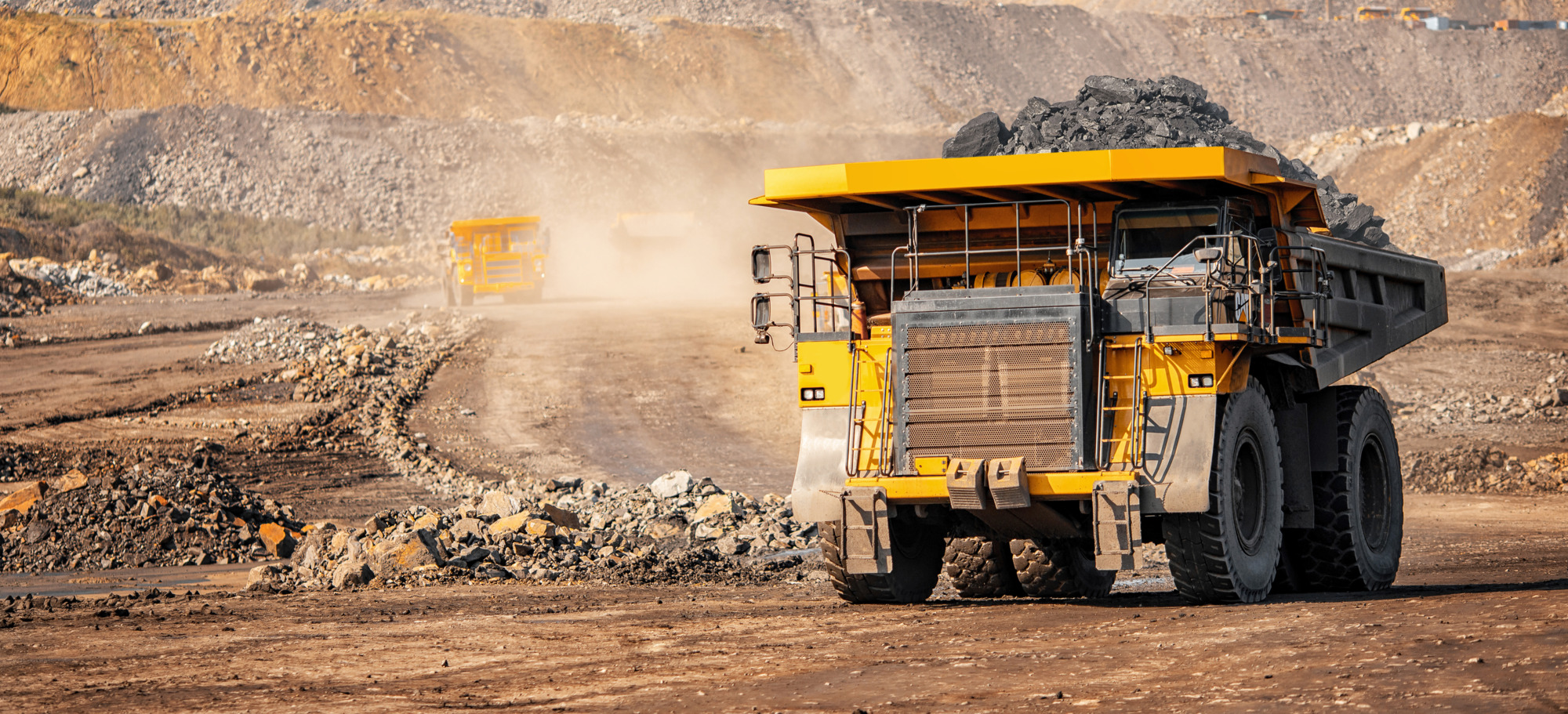
The challenge: You’re not moving boxes—you’re moving crushers, excavators, and haul trucks. Some weigh over 100 tons and require wide-load permits, escorts, and specialized trailers.
The solution:
- Partner with logistics experts who specialize in heavy haul transport.
- Ensure compliance with load limits and obtain necessary permits well in advance.
- Use modular transport systems that break equipment into shippable pieces for reassembly on-site.
Precision planning here means safer roads, fewer breakdowns, and reduced risk of penalties or fines.
3. Unpredictable Weather and Natural Disruptions
The challenge: Flooded access roads, sandstorms, and icy terrain are common in mining regions—and they don’t wait for permission to delay your deliveries.
The solution:
- Weather monitoring systems: Integrate weather tracking into logistics planning to predict disruptions.
- Flexible scheduling: Build buffers into your delivery timeline for unexpected delays.
- Alternative routing plans: Always have a Plan B—whether it’s a detour or a temporary storage solution.
When your logistics are weather-proof, your operations don’t grind to a halt with the first storm.
4. Security Risks and Cargo Theft
The challenge: Mining materials—especially precious metals and rare earths—can be valuable targets for theft or sabotage during transport.
The solution:
- Use secured, GPS-tracked vehicles for high-value shipments.
- Escort services or convoy travel in high-risk areas.
- Implement tamper-evident seals and locking systems on containers.
- Train drivers and handlers in security protocols and emergency response.
A strong security framework protects not just your materials—but your reputation.
5. Limited Local Infrastructure
The challenge: In many developing regions, transport infrastructure is poor. Narrow roads, weak bridges, and congested cities can all choke up supply lines.
The solution:
- Conduct infrastructure audits before selecting transport routes.
- Use low-impact, modular logistics setups that reduce pressure on weak infrastructure.
- Engage with local authorities early to gain support for road usage, maintenance, or temporary access.
Sometimes, solving infrastructure problems isn’t about building roads—it’s about navigating smarter.
6. Regulatory and Cross-Border Delays
The challenge: Mines often operate near national borders or in regions with strict regulatory environments. Customs delays and paperwork bottlenecks can cost days—or weeks.
The solution:
- Partner with logistics providers who know the local laws inside out.
- Use digital documentation and tracking to minimize red tape.
- Establish relationships with customs officials to speed up clearances.
In global mining, compliance isn’t a luxury—it’s your license to operate.
7. Environmental & Community Impact Concerns
The challenge: Transport routes that cut through communities or protected land can trigger public backlash and environmental scrutiny.
The solution:
- Run Environmental and Social Impact Assessments (ESIA) for transport operations.
- Choose routes that minimize disruption and use low-emission fleets when possible.
- Communicate openly with local communities about your transport plans, schedules, and safety measures.
Being responsible isn’t just good ethics—it’s good logistics.
8. Cost Control in a Volatile Industry
The challenge: Mining faces fluctuating commodity prices. Transportation is one of the top cost centers, and inefficiency can quickly eat into profits.
The solution:
- Use data-driven route optimization tools to cut fuel and time waste.
- Consolidate loads where possible.
- Outsource to a logistics partner that offers scalable, pay-as-you-go options during low-volume periods.
Efficiency, not extravagance, keeps your logistics lean during price dips.
Final Thoughts: Prepare. Partner. Perform.
At Trituff Materials, we’ve seen the good, the bad, and the muddy when it comes to mining logistics. And one thing is clear:
Transportation challenges will always exist, but they don’t have to derail your project.
With smart planning, the right equipment, and a trusted logistics partner, you can:
- Tackle remote terrain with confidence
- Move giant machines with precision
- Deliver on time, every time—even when conditions get rough
Mining is hard work. Moving your materials doesn’t have to be.