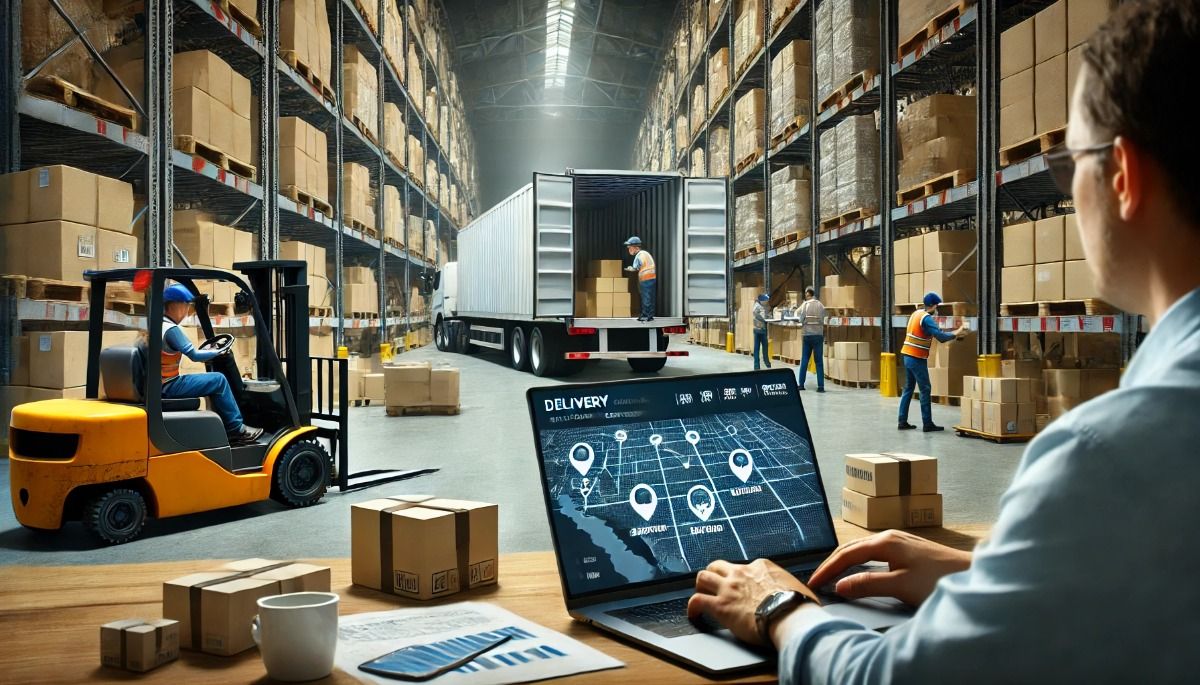
In mining, every second counts. Delayed shipments, missed deliveries, or inefficient supply chains can lead to millions in losses. That’s why choosing the right logistics partner isn’t just a procurement decision—it’s a strategic investment in the success and safety of your mining project.
But with so many providers claiming to be “specialists,” how do you separate the talkers from the doers?
Let’s break down what really matters when choosing a logistics partner for your mining operations.
1. Industry-Specific Experience
You wouldn’t send a bicycle courier to deliver a bulldozer. Mining logistics is not your average freight operation. It involves:
- Remote, rugged terrains
- Oversized and heavy equipment
- Hazmat compliance (explosives, chemicals, fuels)
- Strict timelines and limited access windows
So, the first non-negotiable is proven mining logistics experience. Has your potential partner worked on mining projects before? Do they understand the risks of haul roads, pit access, or port handling of minerals?
Tip: Ask for case studies or client references within the mining or energy sector.
2. End-to-End Capability
You don’t want a patchwork of providers. You want one logistics partner that can handle it all—from mine site to final delivery. Look for providers who offer:
- On-site pickup and material handling
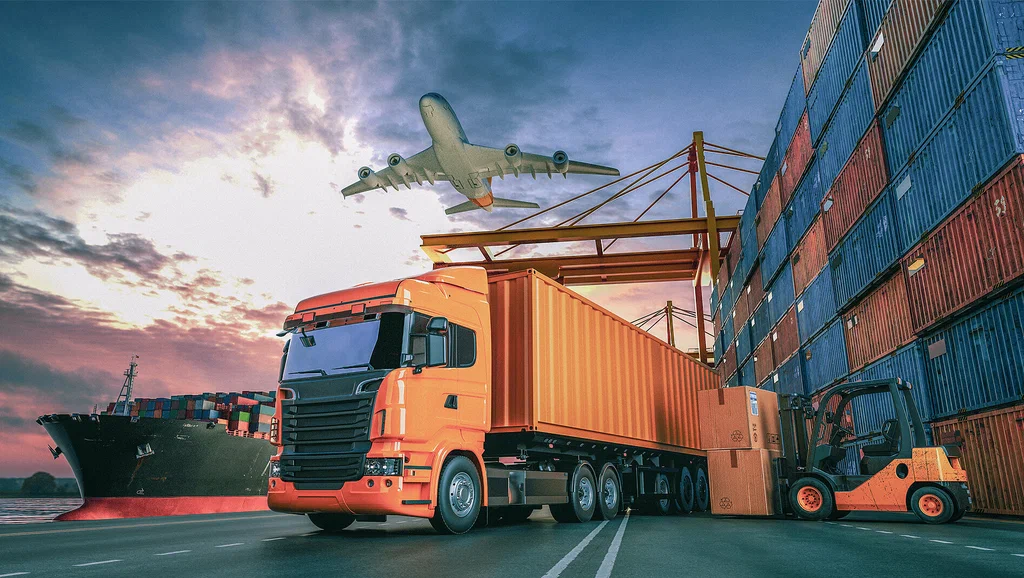
- Trucking, rail, sea, and air freight options
- Warehousing and inventory support
- Customs clearance and documentation
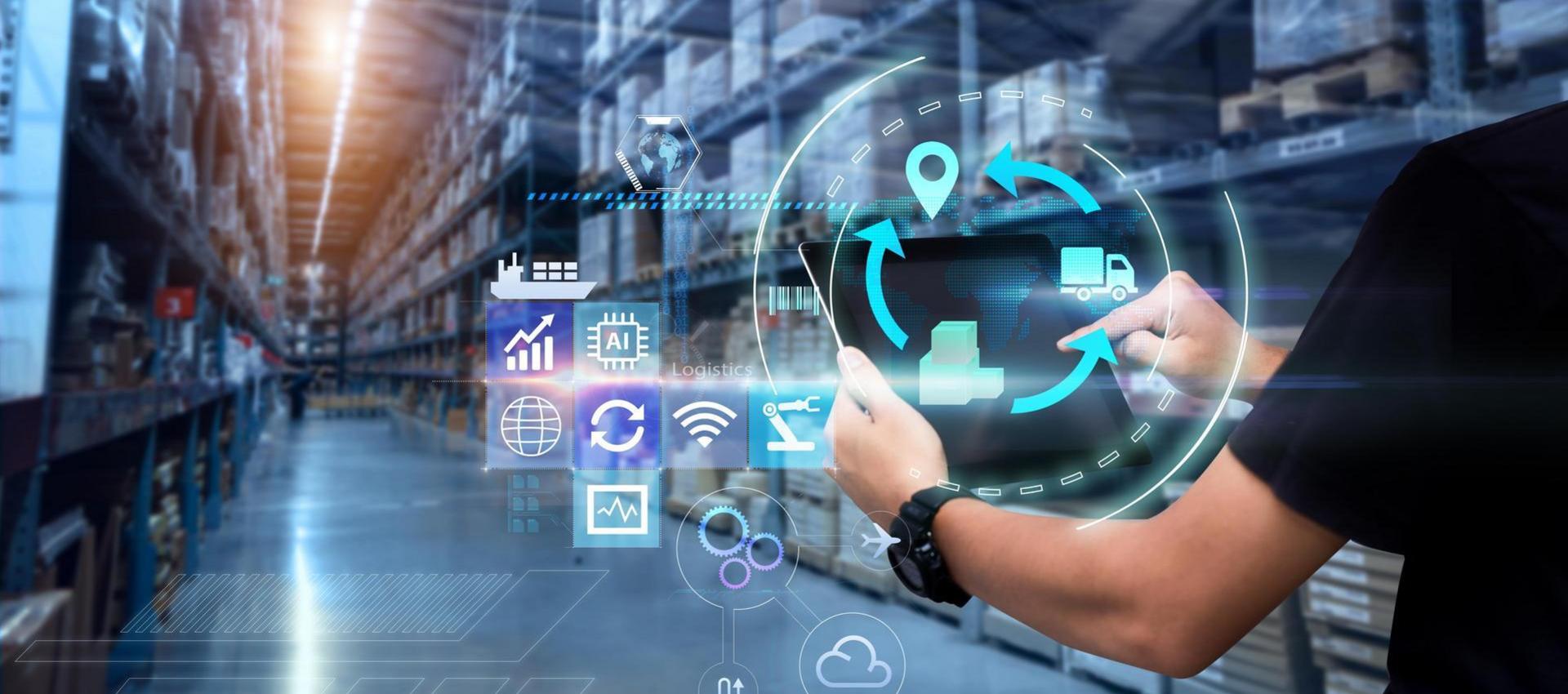
- Route planning and real-time tracking
With end-to-end logistics, there’s less room for error—and a single point of contact for everything.
3. Equipment & Infrastructure
Can they handle your scale and terrain?
Some mining projects require:
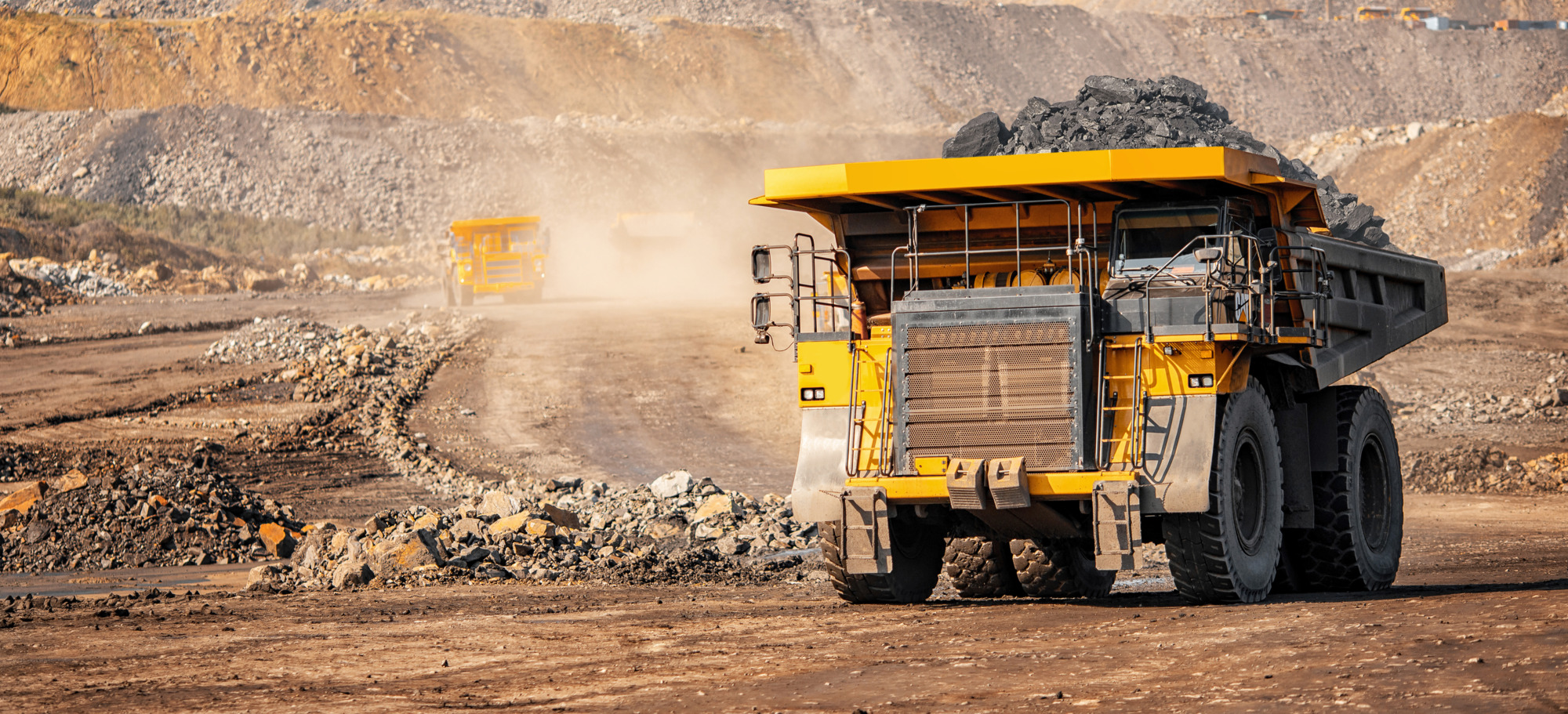
- Off-road haul trucks or all-terrain vehicles
- Modular storage units for remote staging
- Crane services and heavy-lift machinery
- Specialized trailers for oversize loads
A capable partner will already have access to—or easy scalability with—such equipment.
Bonus: Providers with regional hubs and access to ports can drastically reduce shipping time and costs.
4. Safety First, Always
In mining, safety isn’t optional—it’s law. You need a logistics provider who:
- Complies with national and international safety standards
- Trains its drivers and handlers regularly
- Performs risk assessments on every shipment
- Has emergency response protocols in place
Whether it’s hazardous materials or navigating high-altitude routes, the right partner puts safety at the forefront.
5. Flexibility and Problem-Solving Skills
Mining is unpredictable. A sudden weather change or political delay can bring operations to a halt.
That’s when you want a logistics partner who can pivot without panic.
Ask them:
- How do you respond to route disruptions?
- Do you have contingency fleets?
- Can you support 24/7 communication in urgent cases?
You need more than a transporter. You need a logistics partner who’s agile, responsive, and ready to act fast.
6. Real-Time Visibility and Reporting
Modern logistics isn’t just about moving materials—it’s about knowing where they are, all the time.
Look for partners who use:
- GPS-enabled fleet management
- Shipment tracking portals
- Automated delivery notifications
- Data dashboards and reporting tools
You’ll be able to spot bottlenecks, assess performance, and make informed decisions—without waiting for a call or email.
7. Compliance and Documentation Support
Mining projects are heavily regulated. From customs paperwork to environmental clearances, there’s a lot to manage.
A top-tier logistics partner will:
- Handle import/export paperwork
- Track permits and renewals
- Maintain audit-ready records
- Stay up-to-date with local transport laws
This ensures smoother cross-border movement and zero compliance surprises.
8. Sustainability Commitment
More mining companies are embracing green practices—and your logistics partner should, too.
Ask if they:
- Optimize routes for fuel efficiency
- Use low-emission vehicles
- Offer carbon offset programs
- Recycle or repurpose packaging
Sustainable logistics isn’t just good for the planet—it’s good for your brand.
9. Transparent Pricing and Contracts
You don’t want to sign on and be hit with unexpected charges later.
Ensure your logistics partner offers:
- Clear, itemized pricing
- SLAs with performance guarantees
- No hidden fees
- Fair penalty or liability clauses
Transparency builds trust—and protects your project from budget blowouts.
Final Thoughts: Pick a Partner, Not Just a Provider
At the end of the day, you’re not just choosing someone to move your materials. You’re choosing a partner that can:
- Keep your operations moving
- Prevent costly delays
- Protect your teams and cargo
- Help you scale and succeed
At Trituff Materials, we work closely with mining companies to offer tailored, end-to-end logistics solutions built on performance, safety, and trust.
So, before you sign that contract—ask the hard questions, dig into their experience, and make sure they’re ready to mine success with you.