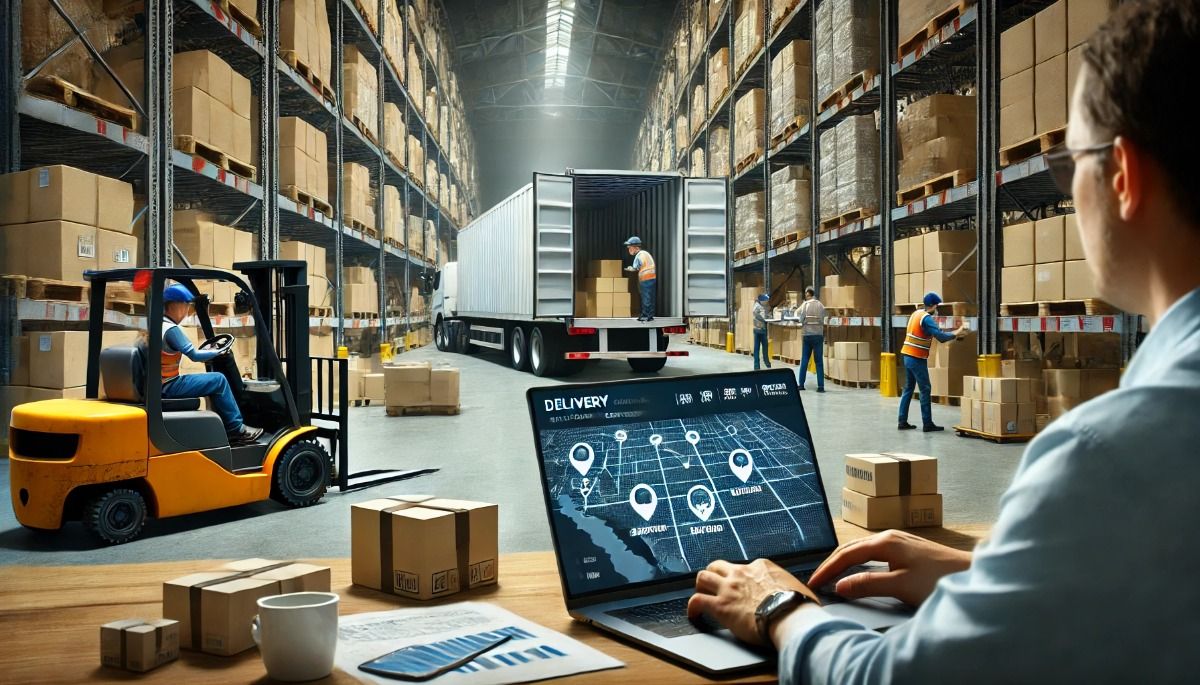
In the mining world, there’s a lot of talk about geology, drilling techniques, and machinery, but one of the biggest unsung heroes of a successful mining project? Logistics.
Yes, it might not sound glamorous, but efficient transport and logistics are the invisible engines that keep mining operations moving—literally and figuratively. Let’s dig into why getting this part right makes all the difference between a profitable mine and a logistical nightmare.
It’s Not Just About Moving Rocks
Mining is more than just excavation. It’s a complex value chain: from exploration and extraction to processing, distribution, and finally, market delivery. Every step involves heavy equipment, sensitive timing, remote locations, and tons of materials—sometimes quite literally.
So how does efficient transport make or break this process?
1. Keeping Operations on Schedule
Time is money in mining.
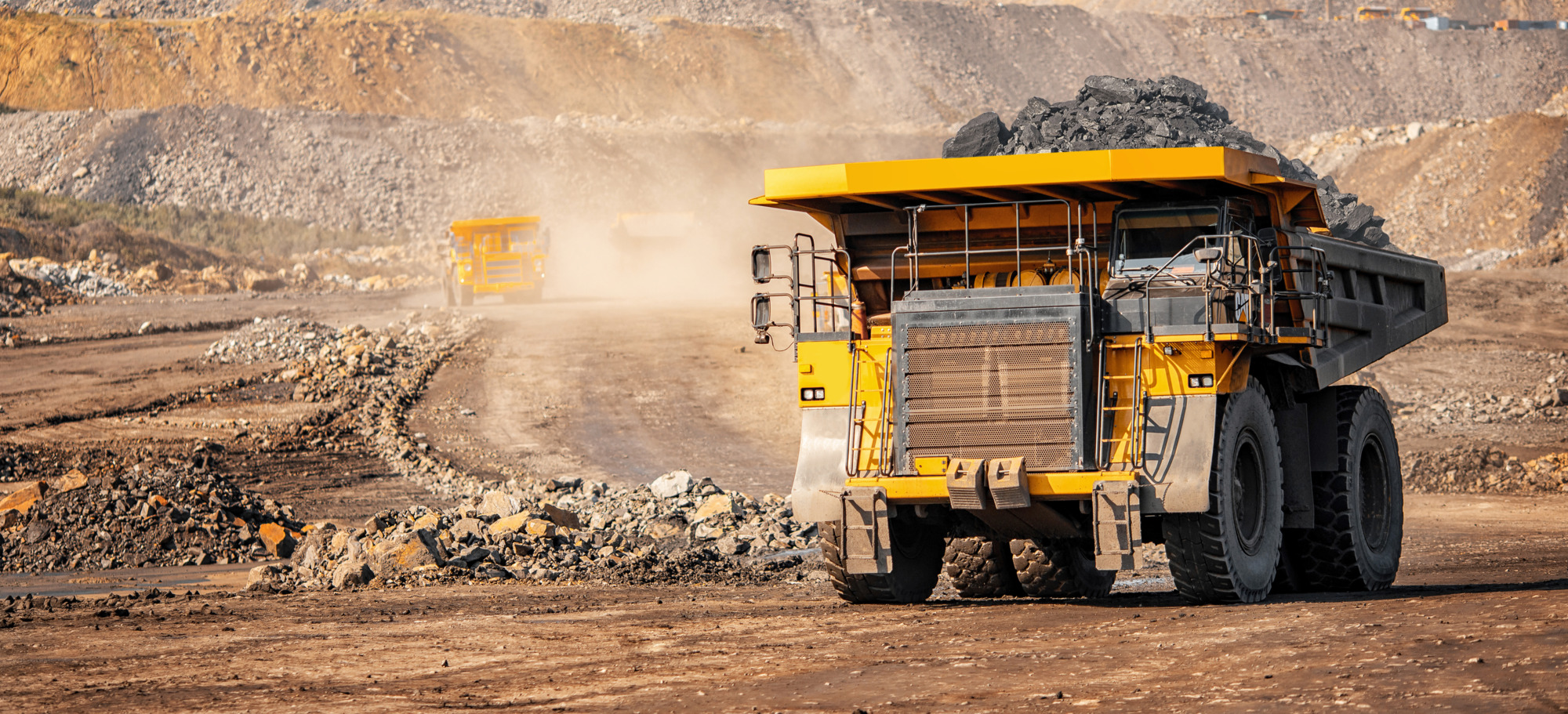
From getting equipment on-site to delivering ore to processing plants, efficient transport ensures that each stage happens when it’s supposed to. If your trucks are stuck waiting for permits, your operation halts. If your roads can’t handle haul trucks, your production suffers.
Logistics synchronizes all moving parts, ensuring operations stay on schedule and downtime is kept to a minimum.
2. Lowering Operating Costs
Mining projects operate on razor-thin margins.
Efficient logistics reduce waste, lower fuel consumption, and minimize idling time. Think of it this way—every extra kilometer driven, every hour a haul truck is stuck, and every broken supply chain link translates to lost money.
By streamlining transport routes, optimizing delivery schedules, and reducing empty backhauls, smart logistics cut costs without cutting corners.
3. Enhancing Safety Standards
Mining sites are often in remote and rugged terrains—places where a wrong turn can mean more than just a detour.
Effective logistics planning includes route risk assessments, weather monitoring, and properly equipped vehicles to handle the terrain. It also means having emergency plans in place.
Efficient logistics don’t just save time—they save lives.
4. Adapting to Harsh Environments
Mining doesn’t happen in cozy city centers. It happens in deserts, mountains, arctic zones—where transport is anything but easy.
A smart logistics strategy factors in:
- Road durability
- Vehicle performance in extreme temperatures
- Fuel availability
- Terrain adaptability
Without a plan tailored to the environment, you risk delays, breakdowns, and safety breaches.
5. Managing Regulatory and Environmental Compliance
Transport in mining is closely watched, and for good reason.
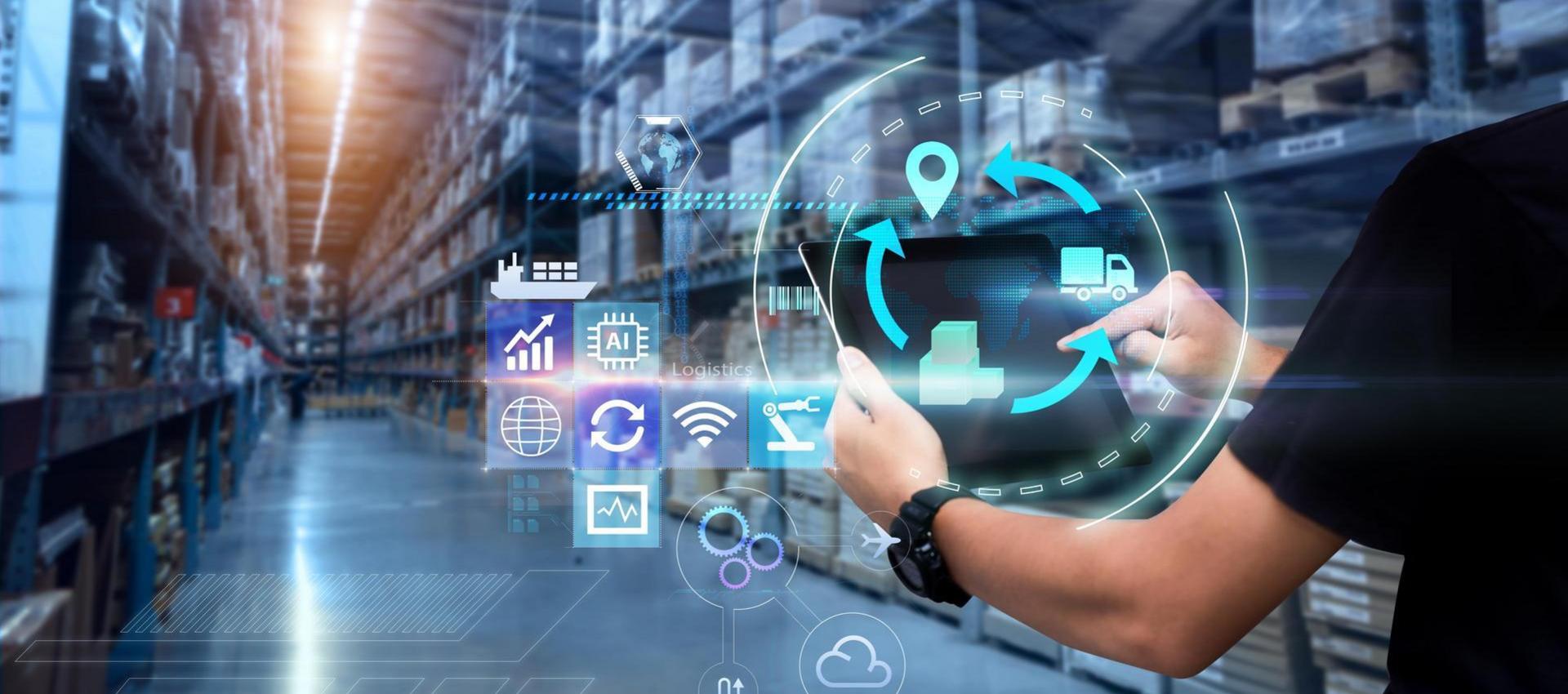
Overloaded trucks can damage infrastructure. Unchecked emissions can hurt ecosystems. Unauthorized routes can violate local laws. Efficient logistics systems are designed to stay compliant—through monitoring, tracking, and documentation—keeping your operation on the right side of regulations.
6. Supporting Sustainability Goals
Today, mining companies are under pressure to not just dig deeper—but to do it greener.
Logistics plays a massive role here. By using fuel-efficient fleets, reducing backhauls, and implementing better route planning, mining companies can significantly reduce their carbon footprint.
In other words, logistics isn’t just about delivery—it’s about delivering responsibly.
7. Connecting Remote Sites to the Global Market
You’ve got your minerals. Great. But now what?
Getting them from a mine in the middle of nowhere to a buyer across the world isn’t a one-step job. It’s a journey through a web of:
- Road transport
- Rail freight
- Port operations
- International shipping
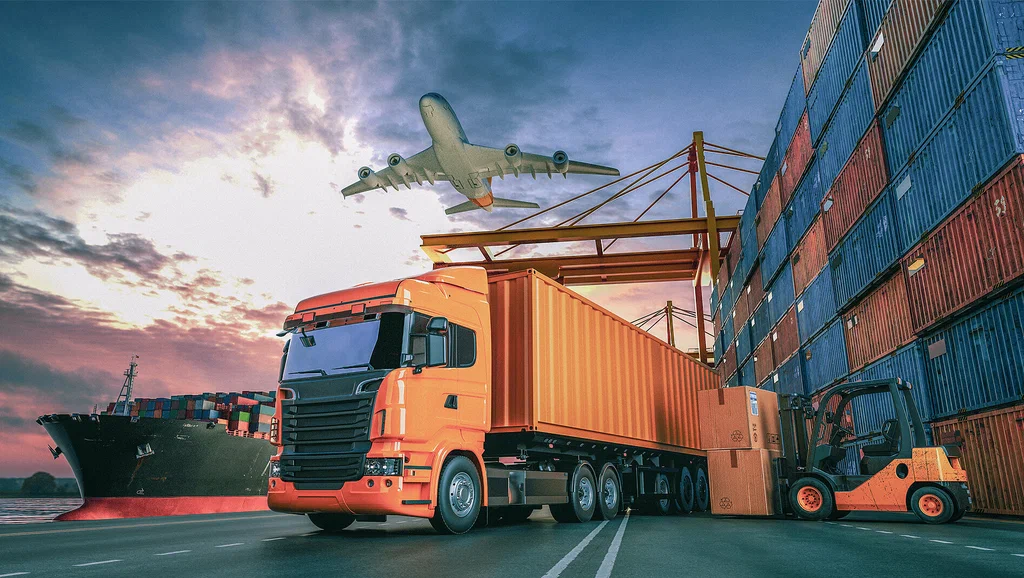
Efficient logistics form this mine-to-market highway, making sure your product doesn’t just get out—but gets out on time, in spec, and with traceability intact.
Real-World Example: When Logistics Go Right
Imagine a mining operation in Western Australia that relies on a single supply road. During the rainy season, that road becomes impassable. A smart logistics partner predicted this and pre-staged supplies using modular storage solutions ahead of time. Result? No downtime, no surprise expenses, no stress.
It’s small decisions like this, powered by logistics insight, that make massive differences on-site.
Final Thoughts: Logistics Is the Lifeline
You can have the best engineers, cutting-edge machines, and a resource-rich site—but if you can’t move your materials efficiently, your project stalls.
That’s why, at Trituff Materials, we don’t treat logistics as a side note. We treat it as a core strategy—designed to maximize productivity, minimize risk, and deliver long-term value.
Whether you’re launching a new mining site or optimizing an existing one, remember this: logistics isn’t just part of the puzzle. It’s the piece that holds it all together.