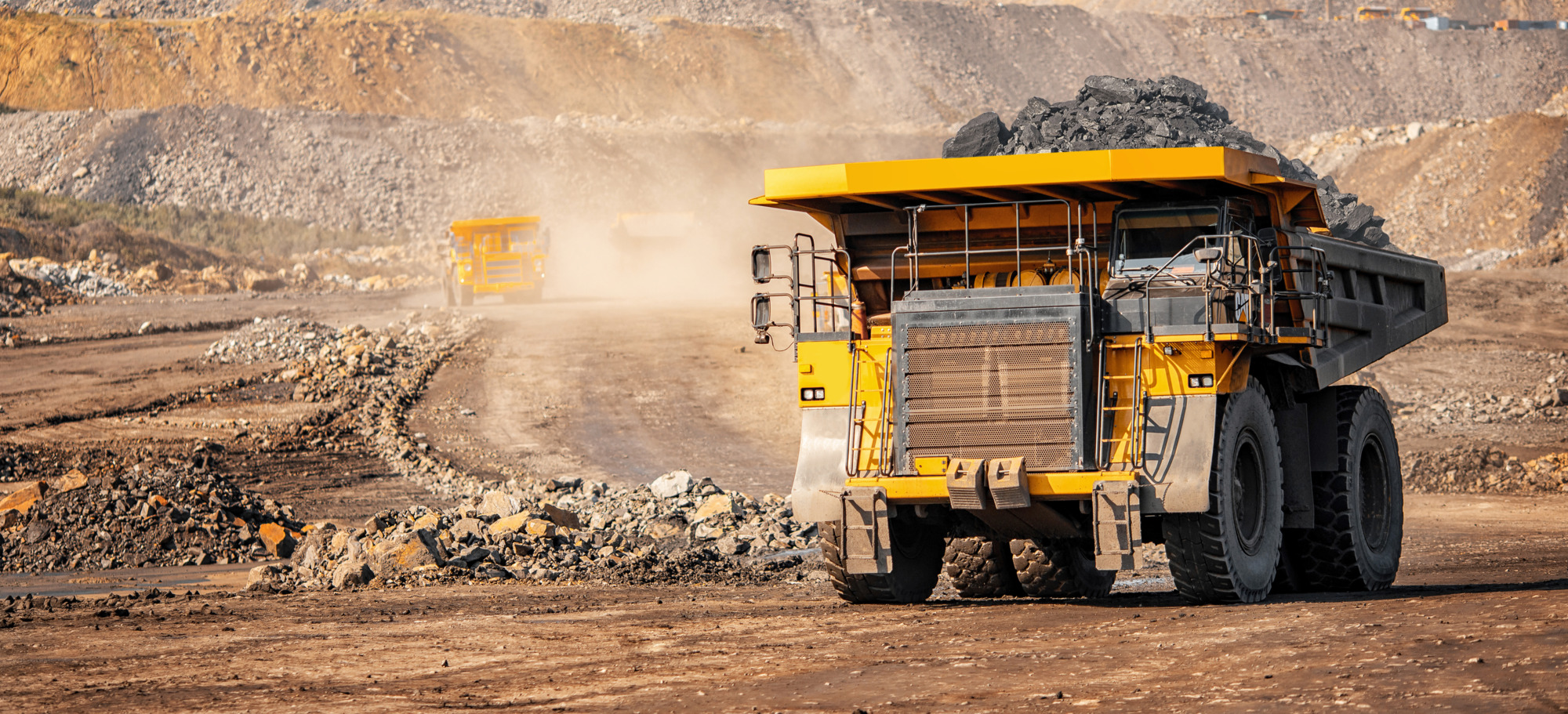
Getting to a mine site is often an adventure on its own—twisting dirt roads, harsh terrain, unpredictable weather, and vast stretches of nothingness. While the mineral-rich sites are goldmines (sometimes literally), the logistics of transporting goods, equipment, and personnel to and from these remote locations can be a serious challenge.
In mining, safety and efficiency in transportation aren’t optional—they’re vital. A single breakdown in a remote area can cost time, money, and even lives. That’s why mastering transport safety in these environments is non-negotiable.
Let’s explore the best practices for safe, secure, and smooth transport operations in even the most remote corners of the mining world.
1. Route Planning Isn’t Just a Map—It’s a Lifeline
In the city, GPS reroutes you. In the desert or outback, there’s no second chance.
Detailed route planning is crucial. This means:
- Surveying roads or paths regularly
- Identifying potential hazards (landslides, soft sand, water crossings)
- Planning fuel stops and emergency contact points
- Mapping out alternate evacuation routes
Use drone mapping, satellite imagery, and real-time monitoring tools to chart your paths before the first wheel hits the dirt.
2. Vehicle Readiness: The Right Wheels for the Job
Standard trucks don’t cut it in extreme locations. Depending on the terrain, you may need:
- All-terrain trucks
- Heavy-duty trailers
- Reinforced suspension systems
- Climate-controlled cabs for hot or icy conditions
Regular vehicle inspections and pre-trip checks are essential. Brake failure in the outback or tundra isn’t just a mechanical issue—it’s a survival risk.
And don’t forget: carry spare parts. A busted tire in the middle of nowhere can delay everything.
3. Driver Training: More Than Just a License
Driving in remote mining locations is a specialty.
Train your drivers on:
- Terrain-specific techniques (e.g., driving on loose gravel, steep descents)
- Emergency response and satellite comms
- Basic mechanical fixes and survival skills
- Fatigue management for long hauls
In these areas, drivers often double as mechanics, medics, and navigators. Equip them for it.
4. Communication Systems: Stay Connected or Stay Grounded
Remote areas often lack cell coverage. That’s why every vehicle should be fitted with:
- Satellite phones or radios
- GPS tracking devices
- Emergency beacons or panic buttons
Centralized control rooms should monitor fleet locations in real-time, ready to respond if a truck veers off route or stops unexpectedly.
At Trituff Materials, we integrate smart telematics to keep both our team and clients informed 24/7—because in mining logistics, silence isn’t golden.
5. Load Safety: Secure Cargo, Secure Lives
It’s not just about getting the cargo there—it’s about getting it there safely.
Best practices for safe loading include:
- Using high-quality straps and tie-downs
- Evenly distributing weight to avoid rollovers
- Regularly inspecting cargo during transport
- Training workers in proper loading and unloading
The right load setup reduces the risk of accidents, cargo loss, and equipment damage.
6. Weather Watch: Respect the Elements
Mother Nature doesn’t follow schedules. In remote mining areas, weather can change fast—and dangerously.
Set up a system for:
- Real-time weather alerts
- Trigger protocols for route closures or halts
- Driver safety shelters in high-risk areas
You can’t stop a sandstorm or snow squall, but you can keep your team out of its path.
7. Emergency Preparedness: Plan for the Worst
Hope for the best—but always plan for the worst.
Every transport plan should include:
- First-aid kits and survival supplies (water, food, blankets)
- Clear protocols for breakdowns or medical emergencies
- Evacuation and rescue plans
- Check-in systems for scheduled communication updates
Even a two-hour delay can become a crisis without the right tools and training in place.
8. Environmental and Community Awareness
Remote doesn’t mean empty. Many mining areas are near protected lands or indigenous communities.
Make sure your transport activities:
- Minimize dust, noise, and fuel spillage
- Respect local customs and land usage rights
- Avoid ecologically sensitive zones
Building respectful relationships with local communities isn’t just ethical—it can be strategic, too.
9. Work with Logistics Partners Who Understand Mining
Not every logistics company is cut out for remote mining transport. It’s a niche that requires:
- On-ground experience
- Specialized equipment
- A safety-first mindset
At Trituff Materials, we’ve built our logistics model around the complexities of mining life—especially in areas where the road ends, but the mission doesn’t.
Final Thoughts: Safety Isn’t a Feature—It’s the Foundation
Mining transport is more than moving material—it’s about moving it safely, consistently, and responsibly, especially in remote and rugged regions where every decision carries weight.
From route planning and driver training to satellite tracking and community respect, safety must be woven into every part of your transport strategy.
Because at the end of the day, a successful mining project doesn’t just dig deep—it goes the distance.